
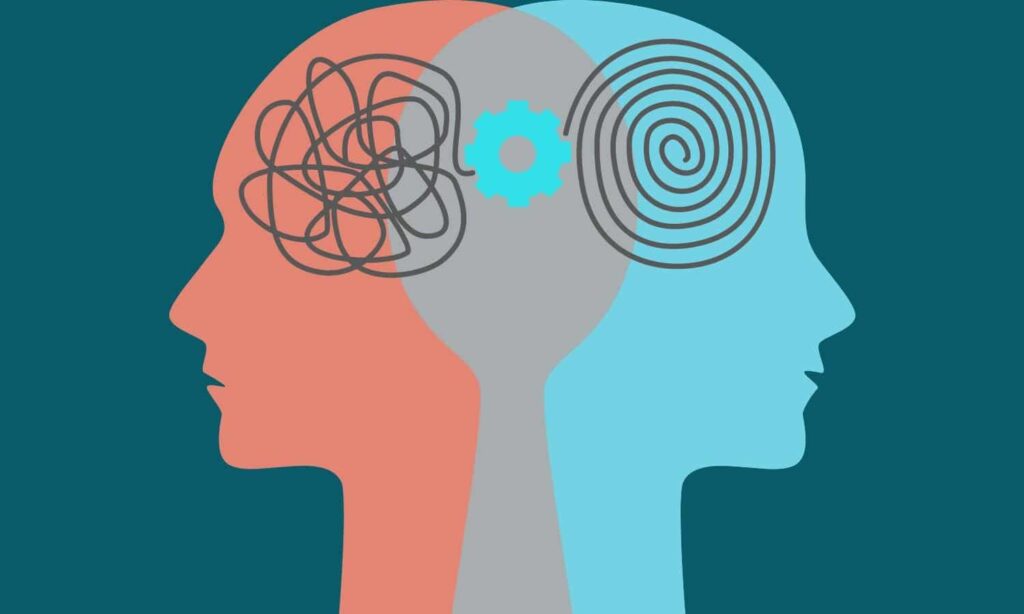
When we think about health, we often focus on the physical aspects—exercise, nutrition, sleep, and medical care. However, there’s another critical component to our well-being that’s just as important: behavioral health.
Behavioral health encompasses the connection between our behaviors and the health of our mind and body. It refers to how our habits, choices, and emotional responses affect our mental, emotional, and physical well-being. From stress management to substance use, our behavior can significantly impact our overall health and quality of life.
In this blog, we’ll dive deeper into what behavioral health means, how it affects us, and why it’s crucial for maintaining a balanced and healthy life.
Defining Behavioral Health
Behavioral health is a broad term that includes mental health, substance use, and other behaviors that influence a person’s well-being. It’s about the ways our thoughts, emotions, and actions interact to shape our lives.
At its core, behavioral health looks at how behaviors—like eating habits, exercise routines, or coping strategies—affect a person’s overall health. It also considers how mental health disorders (like anxiety or depression) or substance abuse problems (like alcohol or drug addiction) can manifest in behaviors that disrupt daily functioning.
Key Components of Behavioral Health:
Mental Health: Refers to emotional, psychological, and social well-being. It affects how people think, feel, and act. Conditions like depression, anxiety, PTSD, and schizophrenia are all part of mental health.
Substance Use and Abuse: This includes the use of alcohol, prescription drugs, or illegal substances in a way that negatively impacts an individual’s health, relationships, or responsibilities. It can range from casual use to addiction.
Coping Mechanisms: How individuals deal with stress, trauma, and challenges is an essential part of behavioral health. Healthy coping strategies—like exercise, talking to a therapist, or engaging in hobbies—can improve mental and physical well-being, while unhealthy coping strategies (like substance use or avoidance) can lead to harmful outcomes.
Lifestyle Choices: Our daily habits—whether it’s how we sleep, eat, exercise, or interact with others—have a direct impact on behavioral health. A person’s lifestyle can support positive mental health or contribute to problems like chronic stress, burnout, or physical illness.
Why Behavioral Health is Crucial
Influence on Physical Health: Behavioral health and physical health are deeply intertwined. For instance, chronic stress can contribute to heart disease, high blood pressure, and diabetes. Similarly, depression can lead to fatigue, weight changes, and other physical symptoms that affect overall well-being. On the flip side, engaging in healthy behaviors—like exercise and good nutrition—can improve mental health and reduce the risk of physical health problems.
Impact on Relationships and Social Connections: Poor behavioral health can strain relationships with family, friends, and colleagues. Mental health disorders may lead to withdrawal, irritability, or difficulty communicating. Substance abuse can cause conflicts, trust issues, and breakdowns in relationships. Conversely, strong behavioral health helps individuals connect with others, build support systems, and navigate life’s challenges more effectively.
Work and Productivity: Behavioral health significantly impacts one’s ability to function at work or school. Conditions like anxiety or depression may reduce focus, productivity, and motivation. Substance use or unhealthy coping strategies may lead to absenteeism, poor performance, and accidents. On the other hand, good behavioral health promotes resilience, problem-solving, and the ability to manage stress in high-pressure environments.
Preventing and Managing Mental Health Conditions: By understanding and improving our behavioral health, we can prevent or reduce the impact of mental health disorders. Effective self-care practices, therapy, stress management techniques, and healthy lifestyle choices can all contribute to better mental well-being.
The Relationship Between Mental Health, Substance Abuse, and Behavioral Health
It’s essential to recognize that mental health disorders and substance abuse problems often go hand-in-hand. For example, someone experiencing depression or anxiety might turn to alcohol or drugs to cope with their emotions. Over time, this can lead to substance use disorder, further complicating their mental health issues.
This is known as a dual diagnosis—when someone has both a mental health disorder and a substance use disorder at the same time. Treating dual diagnosis requires an integrated approach that addresses both issues simultaneously, rather than treating them in isolation.
Behavioral health care professionals often work with individuals experiencing dual diagnosis by providing comprehensive treatment that includes therapy, medication, lifestyle changes, and support groups.
How to Improve Behavioral Health: Tips for Wellness
The good news is that improving behavioral health is achievable, and small changes can make a big difference. Here are some practical steps you can take to promote positive behavioral health:
1. Prioritize Mental Health Care
- Seek Therapy: Whether you’re dealing with stress, trauma, anxiety, or depression, therapy (such as Cognitive Behavioral Therapy or mindfulness-based therapy) can help you better understand and manage your thoughts and emotions.
- Mindfulness and Meditation: These practices can reduce stress, enhance emotional regulation, and increase self-awareness. Even a few minutes a day can have lasting benefits.
- Stress Management: Learn techniques to cope with stress, such as deep breathing exercises, progressive muscle relaxation, or journaling. Managing stress reduces the risk of burnout and mental health crises.
2. Adopt Healthy Lifestyle Habits
- Exercise: Physical activity is a powerful tool for improving both physical and mental health. Regular exercise helps reduce stress, improve mood, and boost energy.
- Nutrition: Eating a balanced diet with plenty of whole foods (fruits, vegetables, lean proteins, and whole grains) can have a profound effect on mood and energy levels.
- Sleep: Getting enough sleep (7-9 hours for most adults) is essential for mental clarity, emotional regulation, and overall health.
3. Avoid Substance Abuse
- If you’re struggling with substance use, it’s important to seek help from a healthcare provider, therapist, or support group. Substance abuse can escalate quickly, and the earlier you address it, the better.
- If you have a history of substance abuse, establishing healthy coping mechanisms (e.g., talking to a support group or therapist) is key to preventing relapse.
4. Build a Support System
- Surround yourself with people who support your mental and physical health. Build strong relationships with family, friends, or support groups who encourage healthy behaviors and provide emotional support when needed.
5. Set Goals and Track Progress
- Set realistic, achievable goals for improving your behavioral health, whether it’s reducing alcohol consumption, starting therapy, or getting more exercise. Tracking your progress can motivate you to continue making positive changes.
Conclusion: Why Behavioral Health Matters for Everyone
Behavioral health is a crucial part of overall well-being. It influences how we manage stress, interact with others, and approach life’s challenges. When our behaviors are positive and aligned with mental and physical health, we’re more resilient, productive, and capable of thriving.
On the other hand, neglecting our behavioral health can lead to emotional strain, physical illness, and even crisis. It’s essential to recognize the importance of behavioral health and take proactive steps to improve it. Whether through self-care, therapy, lifestyle changes, or seeking support, there are many ways to enhance your behavioral health and lead a more balanced, fulfilling life.
If you’re struggling, remember that it’s never too late to seek help. There’s always support available, and taking that first step toward better behavioral health can be life-changing.