
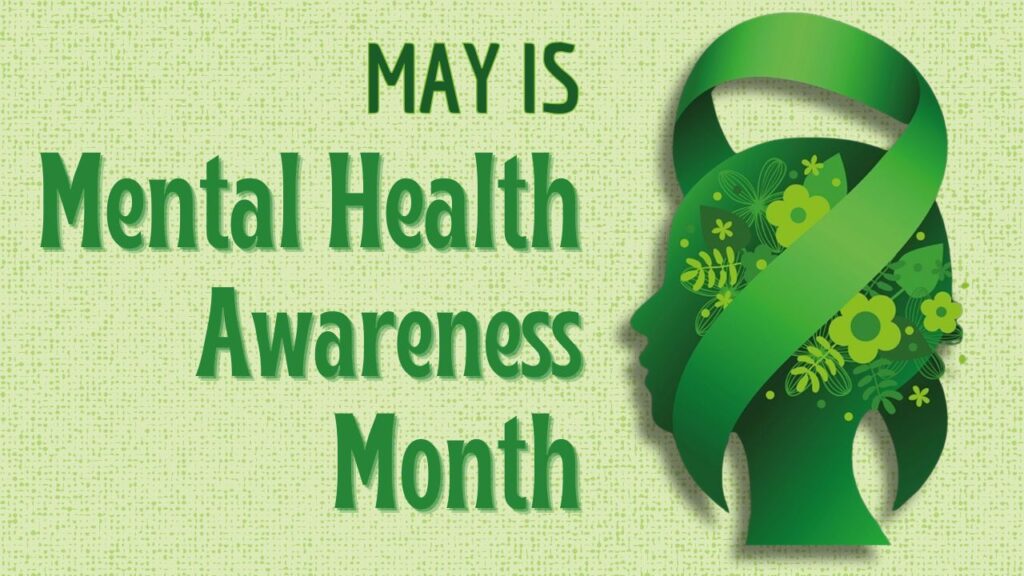
What is Mental Health Awareness Month and Where Did it Come From?
Each year, the month of May is recognized as Mental Health Awareness Month, a dedicated time to increase understanding, reduce stigma, and promote the importance of mental well-being. But have you ever wondered how this vital observance came to be? Let’s explore the origins, significance, and the role it plays in shaping a healthier, more compassionate society.
The Origins of Mental Health Awareness Month
Mental Health Awareness Month was first established in 1949 by Mental Health America (MHA)—one of the oldest nonprofit organizations focused on addressing the needs of individuals living with mental illness and promoting mental health as a critical part of overall wellness. The initiative was born out of a growing need to educate the public about mental health conditions, advocate for better treatment and services, and support those affected.
Since its inception, this national observance has expanded in scope and reach, with various organizations, clinics, and communities coming together to spread awareness and fight the stigma that still surrounds mental illness today.
Why Mental Health Awareness Month Matters
One in five adults in the United States experiences a mental health disorder each year, according to the National Institute of Mental Health (NIMH). Yet, despite the prevalence, mental health issues often go undiagnosed or untreated due to stigma, lack of access, or misinformation. That’s why Mental Health Awareness Month plays such a crucial role in:
Educating the public about mental health conditions such as anxiety, depression, bipolar disorder, PTSD, and more.
Encouraging early intervention and treatment for those showing symptoms.
Promoting access to resources such as therapy, support groups, and crisis services.
Normalizing conversations around mental wellness in families, schools, and workplaces.
By breaking the silence, we help create an environment where people feel safe to seek help and talk about their mental struggles without fear of judgment.
Key Themes and Campaigns
Each year, Mental Health America and other mental health organizations choose specific themes and campaign topics. These may focus on different aspects of mental wellness, such as self-care, resilience, stress management, or youth mental health. These campaigns often include toolkits, screening tools, social media outreach, and educational webinars.
For example, in recent years, themes have included “Tools 2 Thrive,” focusing on practical tips for improving mental health, and “Back to Basics,” which aimed to educate people on the foundational elements of mental well-being.
How You Can Participate
Whether you’re an individual, a school, or a business, there are many ways to get involved in Mental Health Awareness Month:
Wear green, the official color for mental health awareness, to show your support.
Share personal stories or facts on social media using hashtags like #MentalHealthAwarenessMonth or #EndTheStigma.
Host educational events or workshops at your workplace or community center.
Support local mental health services through volunteering or donations.
Encourage open conversations about mental wellness with your friends and family.
Every small action contributes to a larger movement to support emotional well-being and make mental health care more accessible.
Conclusion
Mental Health Awareness Month is more than just a calendar event—it’s a powerful reminder of the importance of mental health in our everyday lives. It’s a time to learn, reflect, support, and advocate for ourselves and others. As a mental health service provider, we encourage everyone to take this opportunity to educate themselves, reach out for help if needed, and be a source of strength for those struggling in silence.