
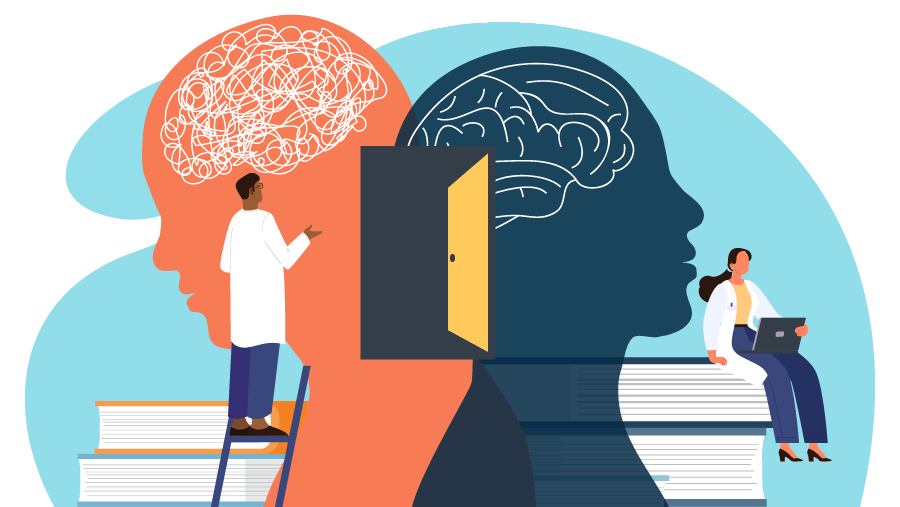
What Are Mental Health Disorders?
Mental health disorders, also known as psychiatric or psychological disorders, are conditions that affect a person’s thinking, feeling, mood, or behavior. These disorders can significantly impact daily functioning and quality of life. According to the Diagnostic and Statistical Manual of Mental Disorders, Fifth Edition (DSM-5), there are over 200 classified mental health disorders. Pi Health Cancer Hospital+1Verywell Mind+1Verywell Health
Common Types of Mental Health Disorders
Understanding the various categories of mental health disorders can aid in recognizing symptoms and seeking appropriate treatment. Here are some of the most prevalent:
1. Anxiety Disorders
Characterized by excessive fear or worry, anxiety disorders include generalized anxiety disorder, panic disorder, and phobias. They affect approximately 19.1% of adults annually. Healthy Balance+1Saint Agnes Medical Center+1Verywell Health
2. Depressive Disorders
These involve persistent feelings of sadness or loss of interest. Major depressive disorder and persistent depressive disorder are common types, affecting about 8.3% of adults each year. Verywell Health
3. Bipolar and Related Disorders
Marked by alternating periods of depression and mania, bipolar disorders impact approximately 2.8% of the adult population annually. Verywell Health
4. Schizophrenia Spectrum and Other Psychotic Disorders
These disorders involve distorted thinking and awareness, including hallucinations and delusions. Schizophrenia affects about 1% of the population.Oro House Recovery Centers+3Verywell Mind+3GradSchools.com+3
5. Obsessive-Compulsive and Related Disorders
Characterized by intrusive thoughts and repetitive behaviors, these include obsessive-compulsive disorder (OCD), body dysmorphic disorder, and hoarding disorder.
6. Post-Traumatic Stress Disorder (PTSD)
PTSD can develop after exposure to a traumatic event, leading to flashbacks, avoidance behaviors, and heightened reactivity.
7. Eating Disorders
These involve preoccupation with food, body weight, and shape, leading to dangerous eating behaviors. Common types include anorexia nervosa, bulimia nervosa, and binge-eating disorder.
8. Personality Disorders
These are enduring patterns of behavior and inner experiences that deviate from cultural expectations, affecting cognition, emotion, and interpersonal functioning.
Causes and Risk Factors
Mental health disorders can arise from a complex interplay of factors:
Genetic Predisposition: Family history can increase susceptibility.
Biological Factors: Neurochemical imbalances and brain structure abnormalities play a role.
Trauma and Stress: Experiences such as abuse, loss, or chronic stress can trigger disorders.
Environmental Influences: Socioeconomic status, cultural factors, and life events contribute to risk.My Therapy Flow+11Verywell Mind+11Saint Agnes Medical Center+11
Recognizing the Signs
Early identification of mental health issues is crucial. Common symptoms include:
Emotional Changes: Persistent sadness, irritability, or mood swings.
Cognitive Impairments: Difficulty concentrating, indecisiveness, or memory problems.
Behavioral Shifts: Withdrawal from social activities, changes in sleep or appetite.
Physical Symptoms: Unexplained aches, fatigue, or changes in energy levels.
Treatment Options
Effective management of mental health disorders often involves a combination of approaches:
Psychotherapy: Cognitive-behavioral therapy (CBT), dialectical behavior therapy (DBT), and other modalities help in understanding and modifying thought patterns.
Medication: Antidepressants, antianxiety medications, mood stabilizers, and antipsychotics can be prescribed based on the specific disorder.
Lifestyle Modifications: Regular exercise, balanced nutrition, adequate sleep, and mindfulness practices contribute to overall well-being.
Support Systems: Engaging with support groups, family, and friends provides emotional backing.
The Importance of Seeking Help
Stigma and misconceptions often deter individuals from seeking assistance. However, mental health conditions are medical issues that require attention and care. Early intervention can lead to better outcomes and improved quality of life.
Resources and Support
For those in India seeking professional help, Pygmy Blue Health offers comprehensive mental health services tailored to individual needs. Their team of experts provides therapy, counseling, and support for various mental health conditions.